
Concealing a Hair Transplant from Friends, Co-Workers, and Family
This question was posed by a female hair loss sufferer seeking hair loss help on our hair restoration forum and answered by Dr. Michael Beehner of Saratoga Springs, NY who is one of our recommended hair restoration physicians. His professional answer is below.
I am scheduled for hair transplant surgery in a few weeks and am concerned about hiding it from my co-workers, friends, and family. In some cases, I can wear a hat, but there are times where I can’t. I can only take 2 weeks off from work. What is the best way to conceal my hair restoration?
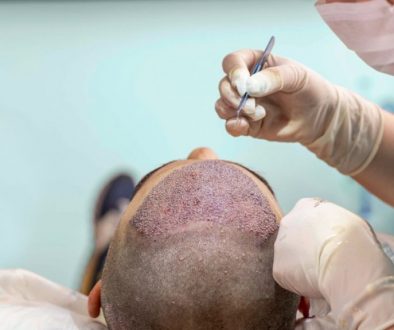
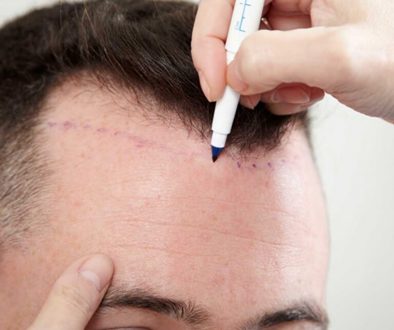
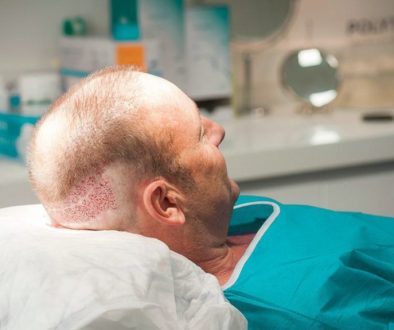
 I think the most important key to your problem is whether you have already existing hair down to the area you want your new transplanted hairline to be or not. If your existing hairline now is way up high and it will be brought down an inch or so, then you will have a slightly noticeable situation, although in 8 of 10 patients, it is fairly unnoticeable two weeks after hair transplantation. The redness and scabbing will most certainly be gone in two weeks. The problem sometimes are the persistent hairs that stay at the transplanted length and just sit there, or the ones that actually do take off and start growing. They will appear somewhat different from your pre-transplant appearance. You could shave them as they grow. If you do have some hair, no matter how miniaturized or scant in the same area you want transplanted, then either Toppik or Dermmatch (or both) can do a nice job of camouflaging both the transplant and hair loss until the transplanted hair starts growing out.
Assuming the hairline or temple areas will have hair implants that you want no chance of someone noticing, then the temporary hair piece is an option; but I should warn you that it is very difficult to get one that matches your present look of thinning hair. You will need a very skilled salon to pull this off. Most will put something on you that looks considerably more than what you want and will be a give-away as a non-surgical hair loss solution. If you do get an alopecia wig, be sure and get a clip-on attachment, and, if you use if for more than a very few months, have the salon every few months change the location of the clips so that they are not pulling on the same clump of hairs, which can lead to little bald spots. One last suggestion, ask your hair transplant surgeon for a Graftcyte kit. I have seen several miraculous healings, even within a week with all follicular unit hair transplants, in which you can barely tell any surgery occurred.
Mike Beehner, M.D.
—
Bill
Associate Publisher
Technorati Tags: hair loss, hair loss help, hair transplant, hair restoration, hair transplantation, Toppik, Dermmatch, transplanted hair, hair implants, hair piece, thinning hair, hair loss solution, alopecia wig, bald, hair transplant surgeon, Graftcyte
July 22, 2016 @ 6:50 pm
I’m wondering if you can answer some of my questions regarding my situation below:
I had an FUT procedure about 1 month ago. I still have redness and most of the grafted hair at the hairline has not fallen out yet. So the line itself is very prominent and the grafted hair is sitting in front of my longer regular hair. It looks like stubble in front of the regular hair.
I have tried many experiments to make it look more natural. Combinations of Keratin hair fibers and makeup concealers but nothing seems to really do the trick. Fibers look okay at first but after about 20 minutes they tend to settle directly on my head into the “stubble” looking hairline area and it looks like dirt just laying on my head. Part of me thinks maybe I’m not being aggressive enough blending it in because I don’t want to disrupt the grafted hairs.
I am using very little makeup concealer. I really only use it at the hairline skin to break up the “too perfect” looking line created by the redness on my skin. I do place a little bit of it onto parts of the skin that are in the stubble area too. One of my questions for people doing this is, are you applying makeup concealer onto your skin or onto the actual grafted hairs? Or both? I’ve been afraid to put it on the grafted hairs but I think the lighter makeup on the stubble might make it look less obvious. Another issue is that my grafted stubble hair is actually considerably darker than my regular hair. It’s kind of a medium brown in front of light blonde look. I am also looking for any other safe tips on how I can help the redness heal quicker. Massaging the graft area more to increase blood flow? Thank you.